Fire Safety Plan
🔥 CAUTION: Wildfire is erratic, unpredictable and usually underestimated. Life safety is always the most important consideration!
The Bridges Emergency Manual
Wildfire Preparation and Protection
Resources
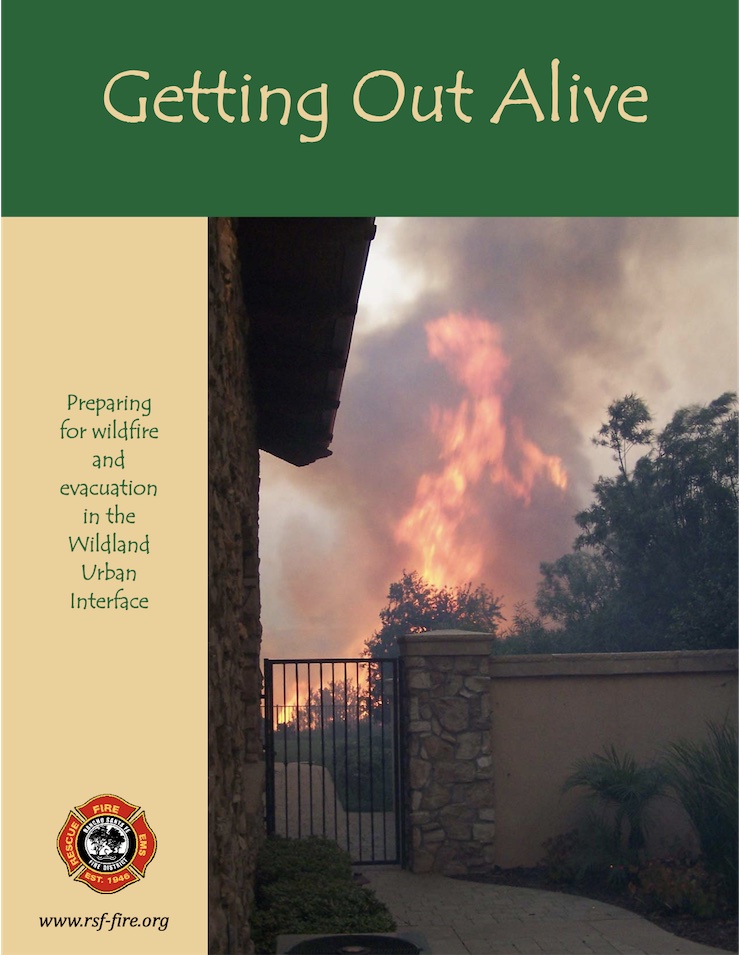
Evacuation Guide
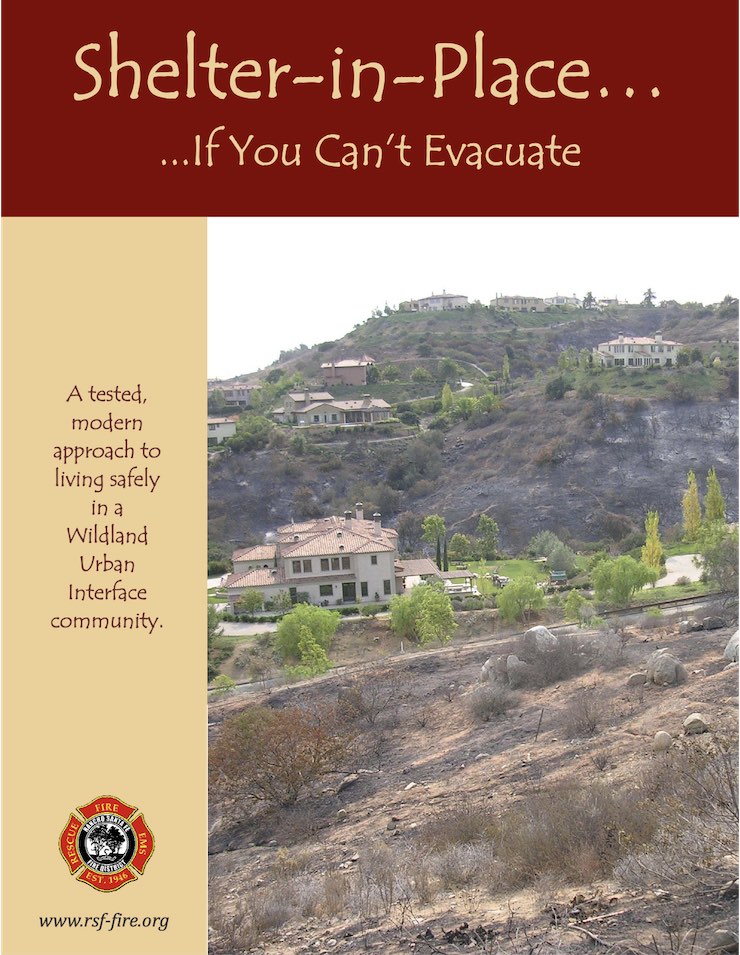
Shelter in Place
Your home in The Bridges is considered “shelter-in-place.” This means that it was built to certain standards that, when maintained, greatly increase the chances that your home will survive a wildfire. If evacuation orders are issued for your shelter-in-place community, please evacuate and evacuate early. That is still the safest scenario for residents and emergency personnel. Only if you are unable to do so may it be safer to stay in your home, or shelter-in-place, than to evacuate under hazardous conditions.
Emergency Preparedness
It is important to be prepared for emergencies, especially during fire season. We encourage all homeowners to review and strengthen your family’s emergency preparedness plan.
Fire Preparedness Steps
- Plan and know at least two evacuation routes from your home.
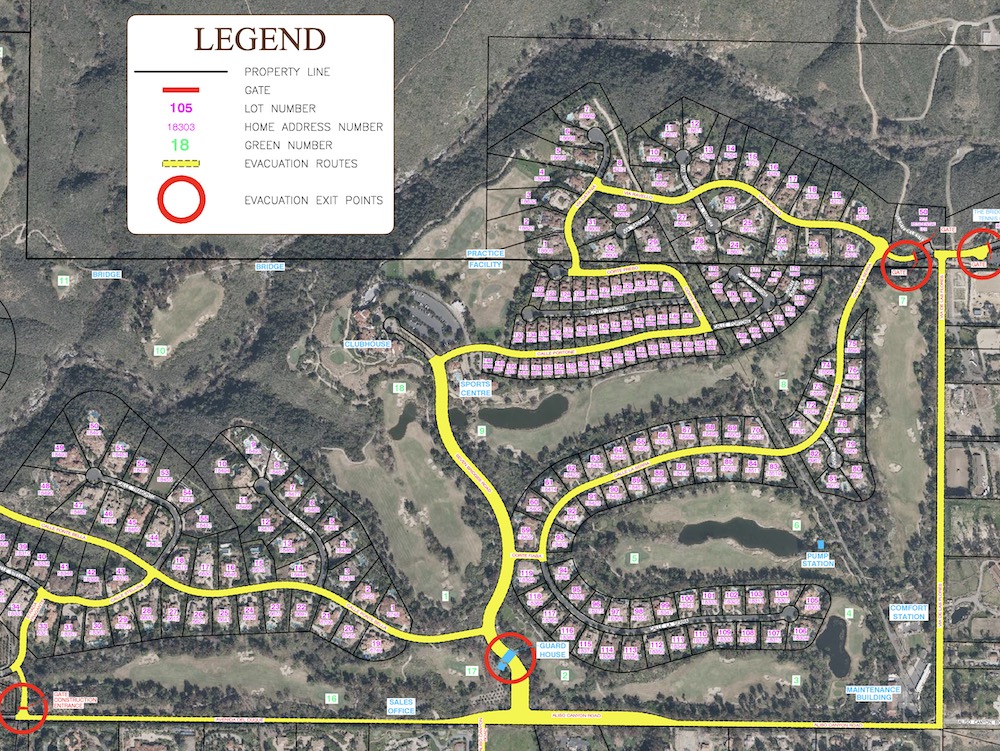
- Review The Bridges Community Map with Evacuation Routes. All guard gate exits have been circled and suggested evacuation paths labeled with arrows.
- Sign up for The Bridges HOA OneCall System.
- Enroll in the San Diego Emergency Notification System through their website GenesysProject or download their app.
- Maintain at least a half-full gas tank and ensure you know how to manually open your garage door if power is out.
- Establish a family meeting place and designate an out-of-area contact.
- Check on neighbors to ensure they are prepared as well.
Wildfire Preparedness
Understanding Wildfires
Wildfires are uncontrolled fires that occur in natural settings, often in rural or forested areas. They can start naturally (e.g., from lightning strikes) or due to human activities (e.g., unattended campfires, arson, or equipment malfunctions). Here are some key points about wildfires:
- Causes: Natural causes include lightning, while human causes might include discarded cigarettes, fireworks, or equipment sparks.
- Behavior: Wildfires can spread rapidly, especially under conditions of dry vegetation, high winds, and low humidity. They can create their own weather patterns, including fire whirls and sudden wind changes.
- Impact: Beyond immediate destruction of property and wildlife, wildfires contribute to air pollution, can lead to long-term ecological changes, and pose significant health risks due to smoke inhalation.
Preparedness Strategies
1. Risk Assessment
- Know Your Area: Understand if your location is prone to wildfires. Check local resources or websites like the U.S. Forest Service or local fire departments for risk maps.
- Home Assessment: Evaluate your home for fire resistance. Use fire-resistant materials, clear vegetation around your property to create defensible space, and ensure your home has good access for emergency services.
2. Emergency Plan
- Evacuation Plan: Have multiple escape routes planned, and know your communityʼs evacuation zones. Practice your evacuation plan with your household.
- Communication: Establish a family communication plan. Decide on an out-of-area contact for everyone to check in with if local communications are down.
3. Preparatory Actions
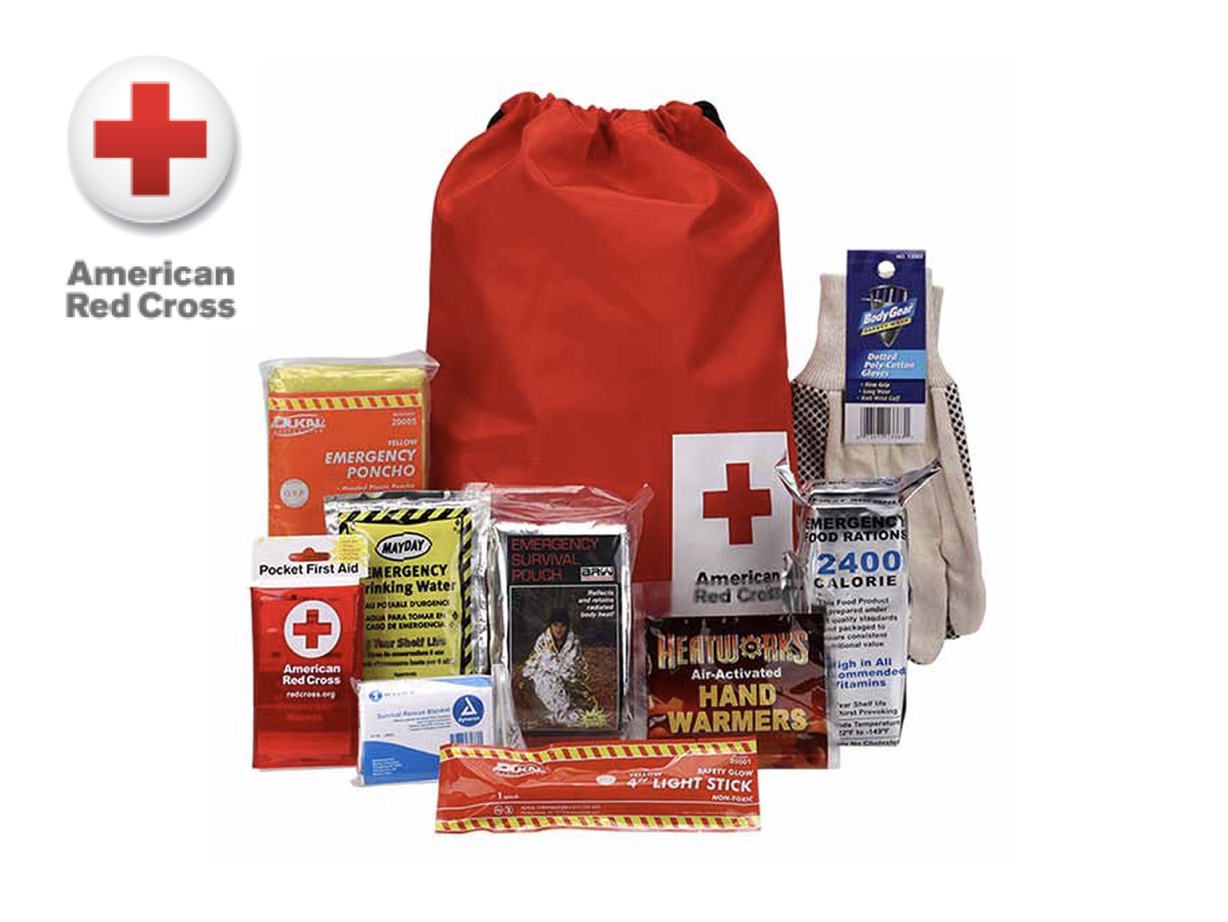
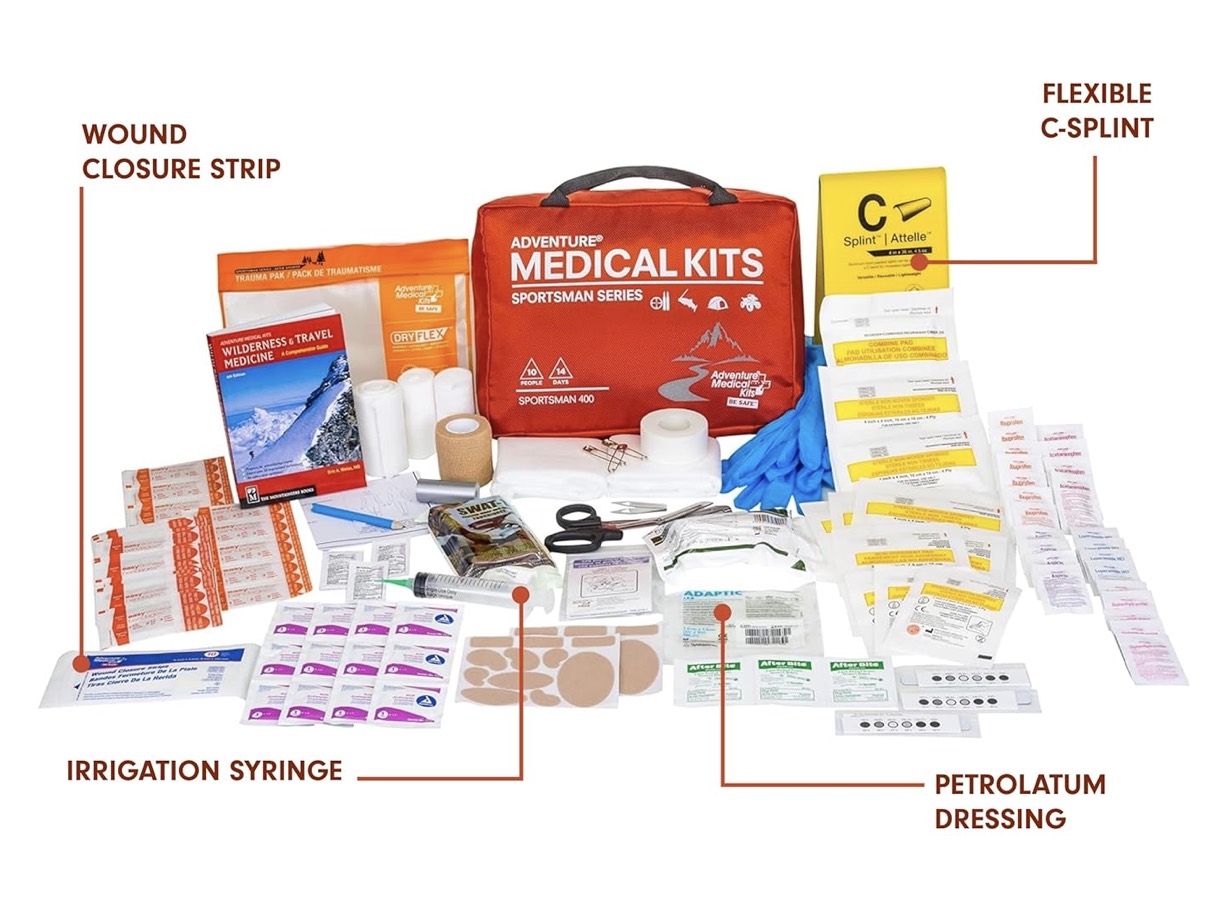
- Emergency Kit: Assemble an emergency kit including water, non-perishable food, medications, important documents, cash, first aid supplies, flashlights, batteries, and personal hygiene items. Donʼt forget pet supplies if you have pets.
- Stay Informed: Use local news, radio, or apps like FEMA for real-time updates. Sign up for emergency alerts from local authorities.
4. During a Wildfire
- Monitor: Keep track of fire conditions and advisories. If youʼre not evacuating, ensure youʼre prepared to shelter in place safely.
- Protecting Your Home: If authorities permit and itʼs safe, seal your home, close all windows and doors, turn off HVAC systems, and fill any large containers with water.
5. Post-Wildfire Actions
- Return Safely: Only return home when authorities say itʼs safe. Watch out for hazards like hot ash pits or structural instability.
- Recovery: Document damage for insurance claims, clean up safely (wear protective gear), and seek assistance from relief organizations if needed.
Wildfire preparedness involves both immediate actions and ongoing community and personal vigilance. By understanding the risks, preparing adequately, and staying informed, individuals and communities can significantly mitigate the impact of wildfires.
Emergency Supply Kit Items
- 3-day water supply providing one gallon of water per person, per day
- 3-day non-perishable food supply including a can opener and kitchen utensils
- One change of clothing and shoes per person
- Enough blankets and/or a sleeping bag for each person
- First aid kit, including family prescriptions and spare eyeglasses
- Emergency tools and work gloves
- A battery-powered radio or television and extra batteries
- Flashlights with extra batteries
- Matches and/or a lighter kept in a waterproof container
- Sanitation and hygiene items
- Special items for infants, seniors and those with disabilities
- A credit card and cash
- Personal identification
- Extra set of car and house keys
- Extra pet food, leash(es), and enough pet carriers to transport all pets
- Sunglasses and/or goggles (for high wind and blowing embers)
- Entertainment (such as books, games for the family, or childʼs favorite toy)
- Cell phone and charger
- Computer, hard drive, or laptop (with charger)
- Prescriptions and medications
- Important documents, including birth certificates, passports, and insurance records
- Jewelry
- Additional items